Dining Miles in Singapore: The Easiest Way to Earn 4 mpd Without Overthinking It
Dining is one of the easiest ways to earn 4 miles per dollar, but it’s also one of the easiest places to make a mistake.
Sometimes the card itself is fine, but the way the restaurant charges you changes which bonus applies.
When the bill comes and someone is waiting for payment, most of us don’t have the luxury of stopping to think through MCC codes or bonus rules.
That’s why dining optimisation shouldn’t start with “Which card is best?”. It should start with a simpler question: “How are we paying?”
In Singapore today, restaurants usually charge us in 3 ways:
Mobile contactless (Apple Pay / Google Pay)
QR code / online ordering
Physical card tap or insert
Once you know which one it is, choosing the right card becomes much easier. No guessing, no wasted bonus caps, and no leaving miles on the table.
My Personal Dining Setup
Most of my dining spend is pretty straightforward.
Quick business lunches between meetings, a quiet cafe break with Clare, occasional family dinners where the bill is a little bigger, and once or twice a year, a proper celebratory meal where the spend can really spike.
So I keep it simple.
If I’m tapping with my phone, I usually use UOB Preferred Platinum Visa
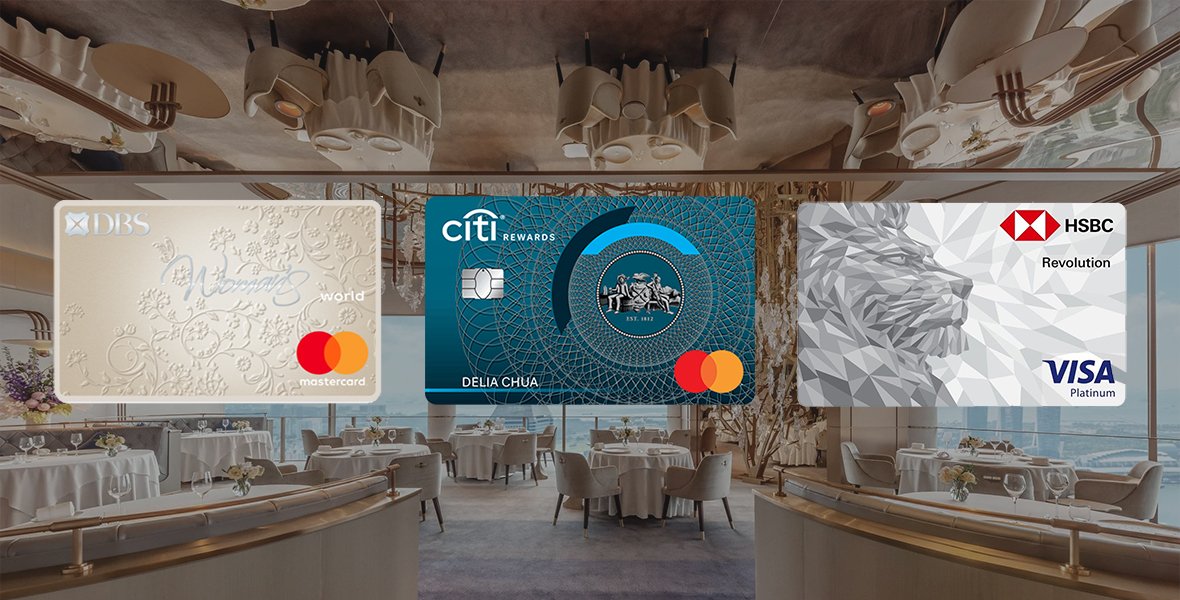
If the restaurant uses QR ordering, I switch to DBS Woman’s World or Citi Rewards
For bigger family dinners, I pay more attention to bonus caps
If I need to use the physical card, I avoid cards that only reward mobile wallet spend
Nothing complicated. Just one simple habit: know how you’re paying before choosing the card.
1) Mobile Contactless (Apple Pay / Google Pay)
This is usually the simplest setup. If you’re tapping your phone at the payment terminal, some cards specifically reward mobile contactless transactions.
Good options:
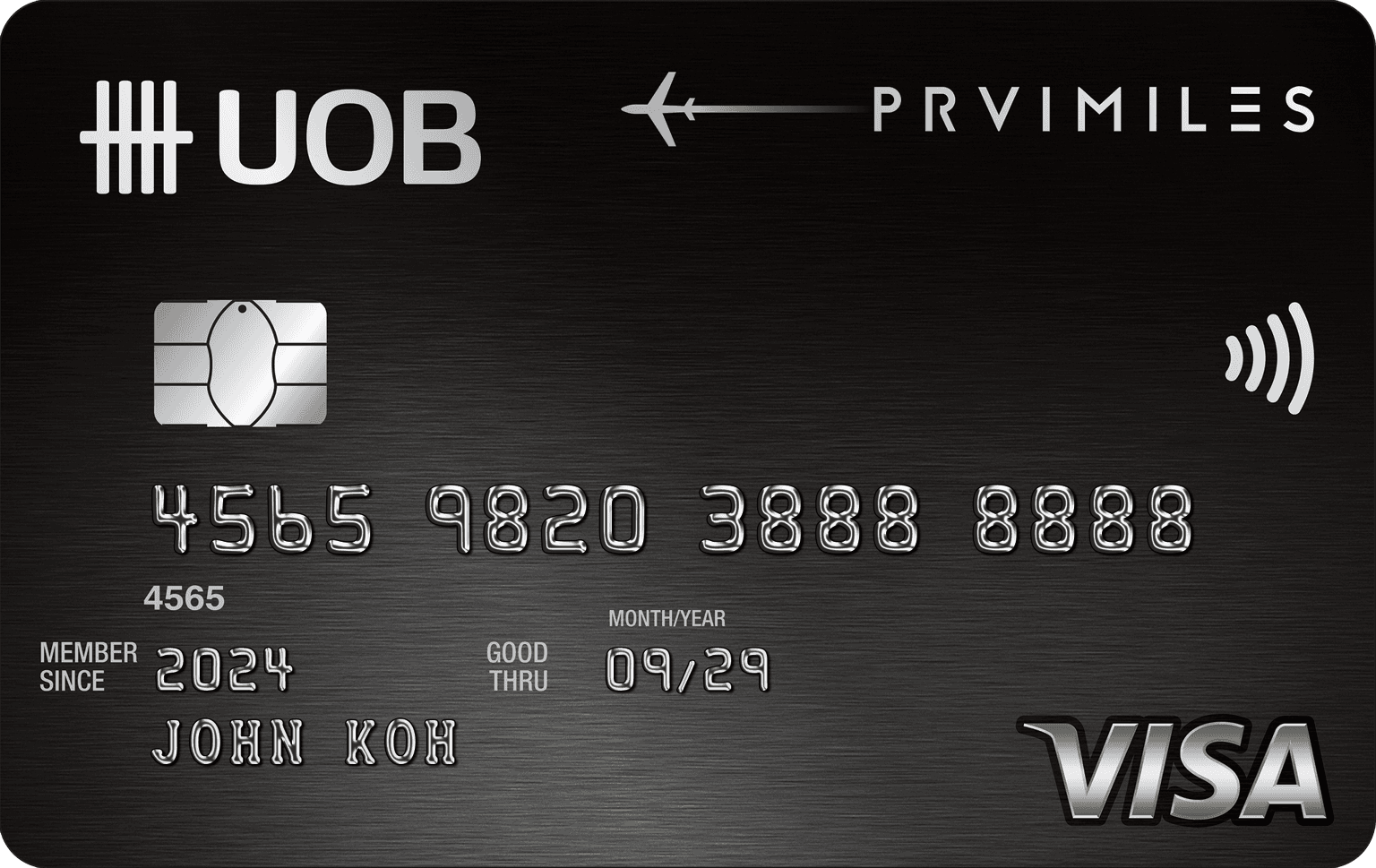
UOB Preferred Platinum Visa
UOB Visa Signature
UOB Lady’s Card (Dining selected)
One easy mistake to avoid: Tapping the physical card is not the same as tapping your phone. Some cards only trigger the 4 mpd bonus when Apple Pay or Google Pay is used. If you like simple systems, this is usually the cleanest way to earn miles on dining.
2) QR Code / Online Ordering
A lot of restaurants now use QR menus where you place the order and pay before submitting. This is usually treated as online spend, so different cards work better here.
Good options:
DBS Woman’s World Card
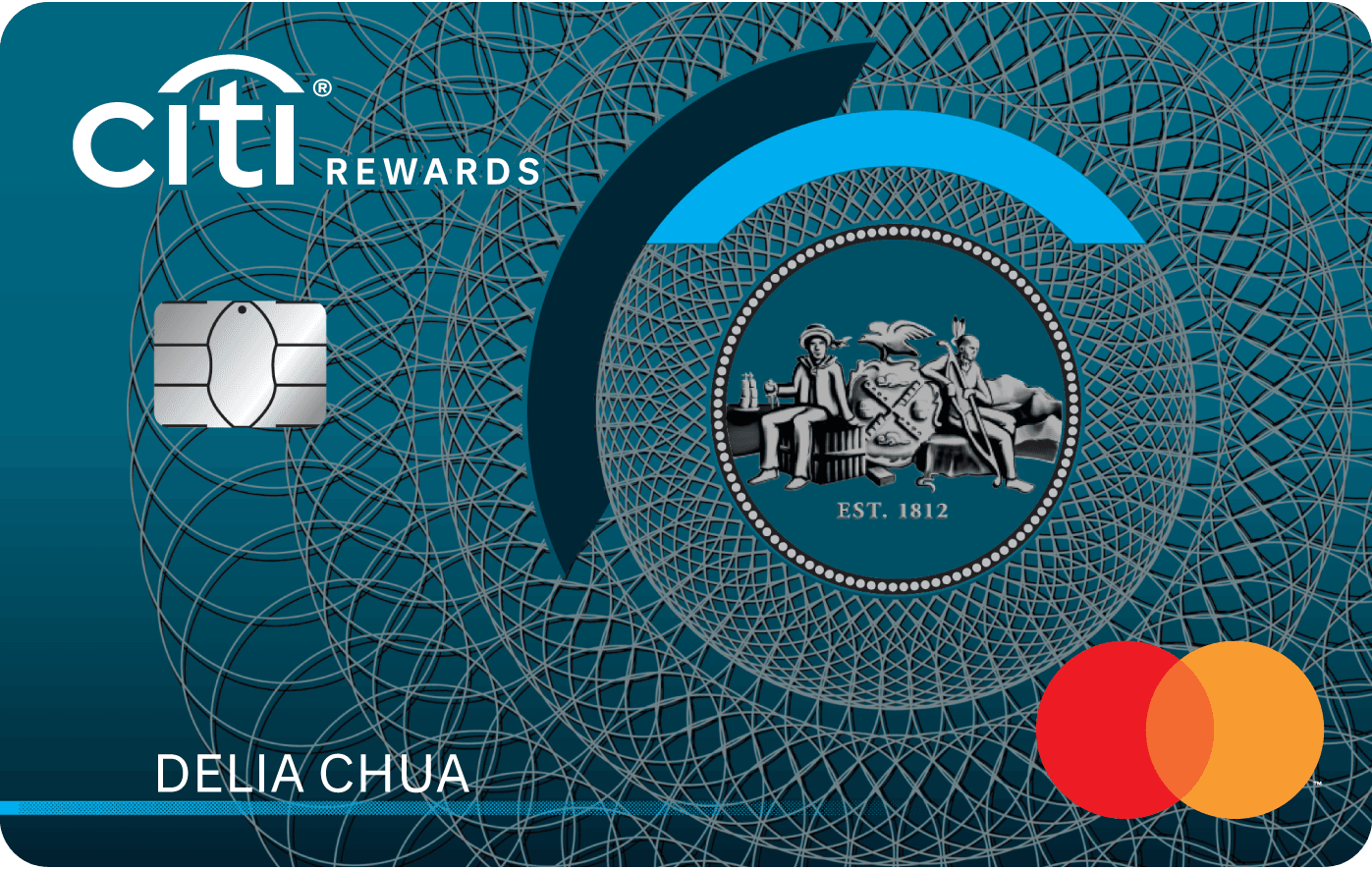
Citi Rewards
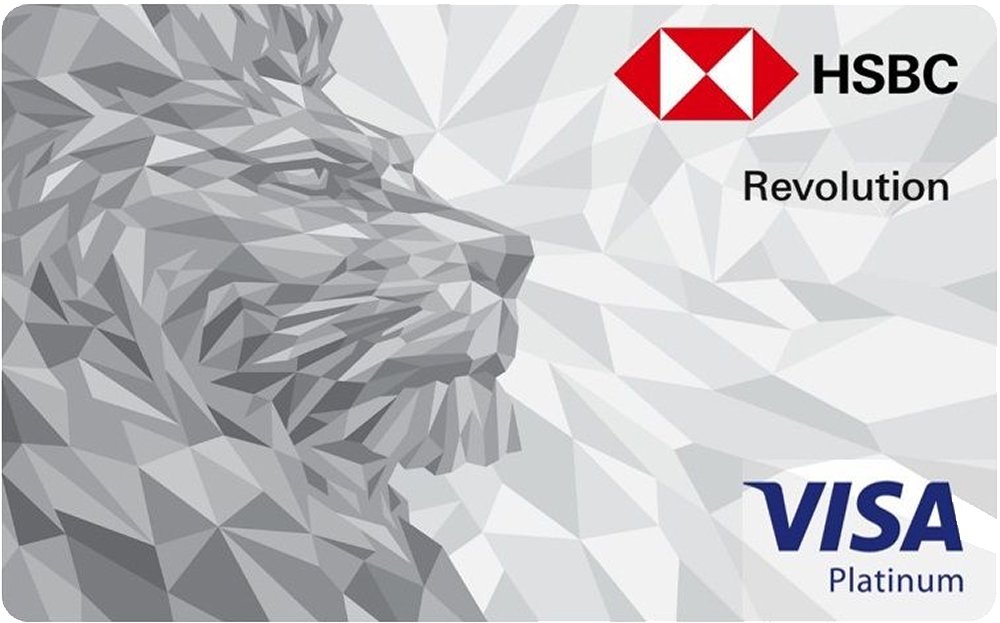
HSBC Revolution (for eligible dining MCCs)
The easiest way to remember this: QR = online. Once that mental shortcut sticks, the right card becomes almost automatic.
3) Physical Card Tap or Insert
This is the most overlooked one. If you tap the physical plastic card itself or insert it into the terminal, some mobile wallet bonuses no longer apply. That’s where dining cards that depend more on MCCs become useful.
Good options:
HSBC Revolution
UOB Lady’s Card (Dining selected)
Maybank XL Rewards
This is also where people often miss out by using UOB Preferred Platinum Visa without mobile wallet. The card is fine. It’s just the wrong payment mode for the bonus.
What If You Spend a Lot on Dining?
If your dining spend regularly crosses $1,000 to $2,000 a month, bonus caps start to matter more. In those situations, a lower but uncapped earn rate can sometimes make more sense.
For example, earning 2.4 mpd on the full $2,500 bill may work out better than earning 4 mpd only on the first $1,000.
The goal isn’t always the highest number. It’s the most miles across the full amount spent.
Common Dining Mistakes
The most common mistakes are usually very simple:
assuming tap card = tap phone
forgetting QR counts as online
hitting bonus caps halfway through the month
forgetting whether the cap resets by calendar month or statement month
Most missed miles happen because of how the payment was made, not because someone picked a “bad” card.
Final Thoughts
Dining is actually one of the easiest categories to optimise once you simplify the decision.
Before thinking about cards, just ask: How am I paying? That one habit usually solves most dining mistakes immediately. And the best part is this same way of thinking works beyond restaurants too. Groceries, shopping, travel bookings, and almost every everyday category can be simplified the same way.